


Regional Market Opportunities
Regional demand for insulated drinkware varies with consumer lifestyles, drinking habits, climate, and sustainability expectations. These differences influence product preferences, material requirements, and the types of drinkware that brands prioritize in each market. For brands expanding into international markets, understanding these regional differences is essential to developing relevant product portfolios and making informed sourcing decisions.
- North America
North America remains an important market for insulated drinkware, supported by strong outdoor participation, established sports and fitness lifestyles, and demand for practical products that can be used throughout the day. The U.S. outdoor recreation market provides a useful indication of this demand. The Outdoor Industry Association reported 183.2 million Americans participating in outdoor recreation in 2025, equal to 59% of the U.S. population aged six and older. The latest data also shows continued growth in activities such as hiking, camping, and fishing.
For drinkware brands, this creates demand across outdoor and everyday-use categories, including large-capacity tumblers, insulated bottles, travel drinkware, and sports-oriented products. Larger capacities, durable construction, leak-resistant lids, and convenient carrying features are particularly relevant for products designed around outdoor and active lifestyles.
- Europe
European markets place greater emphasis on sustainability, product durability, and responsible consumption. The European Commission's recent consumer policy work puts increasing focus on product durability, repairability, recycling, and protection against greenwashing. A 2024 Eurobarometer finding cited by the Commission also showed that 78% of EU consumers believe the environment has a direct effect on their daily life and health. For drinkware brands, this makes reusable stainless steel products relevant not only as alternatives to single-use containers, but also as products where material quality, service life, packaging, and environmental claims need to be considered together.
Therefore, brands developing products for the European market need to consider durable construction, food-contact compliance, responsible material selection, and packaging that aligns with their sustainability goals.
- Asia Pacific
Asia Pacific offers a broad range of opportunities, but consumer preferences vary significantly across individual markets. Rising domestic consumption, urban lifestyles, travel, fitness, and changing expectations around everyday product design are creating opportunities for both functional and design-oriented drinkware. The World Bank notes that increasing domestic consumption has been an important source of growth across developing East Asia and the Pacific. The region is also seeing continued changes in household income and the size of its middle class, creating different levels of demand across individual markets.
For drinkware brands, this can translate into demand for everyday stainless steel bottles, travel tumblers, coffee mugs, and outdoor drinkware. However, the right product mix can vary considerably by market, making factors such as capacity, lid configuration, design, price point, and intended use important during product planning.
- Latin America
Latin America is already highly urbanized, and consumer demand for everyday drinkware is closely connected with commuting, work, travel, and established beverage habits. The World Bank notes that Latin America and the Caribbean has been one of the world's most urbanized regions, with an urban majority since 1960. Coffee is also an important part of the region's beverage economy. Brazil alone is forecast to produce 69.9 million 60-kg bags of coffee in marketing year 2024/25, according to the USDA Foreign Agricultural Service.
This creates opportunities for everyday drinkware such as insulated coffee tumblers, mugs, travel bottles, and reusable water bottles. For brands, local beverage habits can influence capacity, lid configuration, portability, and the balance between hot- and cold-drink use.
- Middle East & Africa
The Middle East and Africa contain very different markets, but urbanization and changing consumption patterns are creating opportunities for reusable and insulated drinkware. In the Middle East and North Africa, around two-thirds of the population lives in cities, according to the World Bank. Across Sub-Saharan Africa, the urban population is also expanding rapidly, with cities becoming increasingly important centers of consumption and economic activity.
For drinkware, local climate can also influence product requirements. In hotter markets, cold-retention performance, larger capacities, portability, and durable construction can be important considerations. These markets require more careful localization because purchasing power, retail infrastructure, climate, and consumer preferences vary significantly from one country to another.
Supply Chain Flexibility Matters
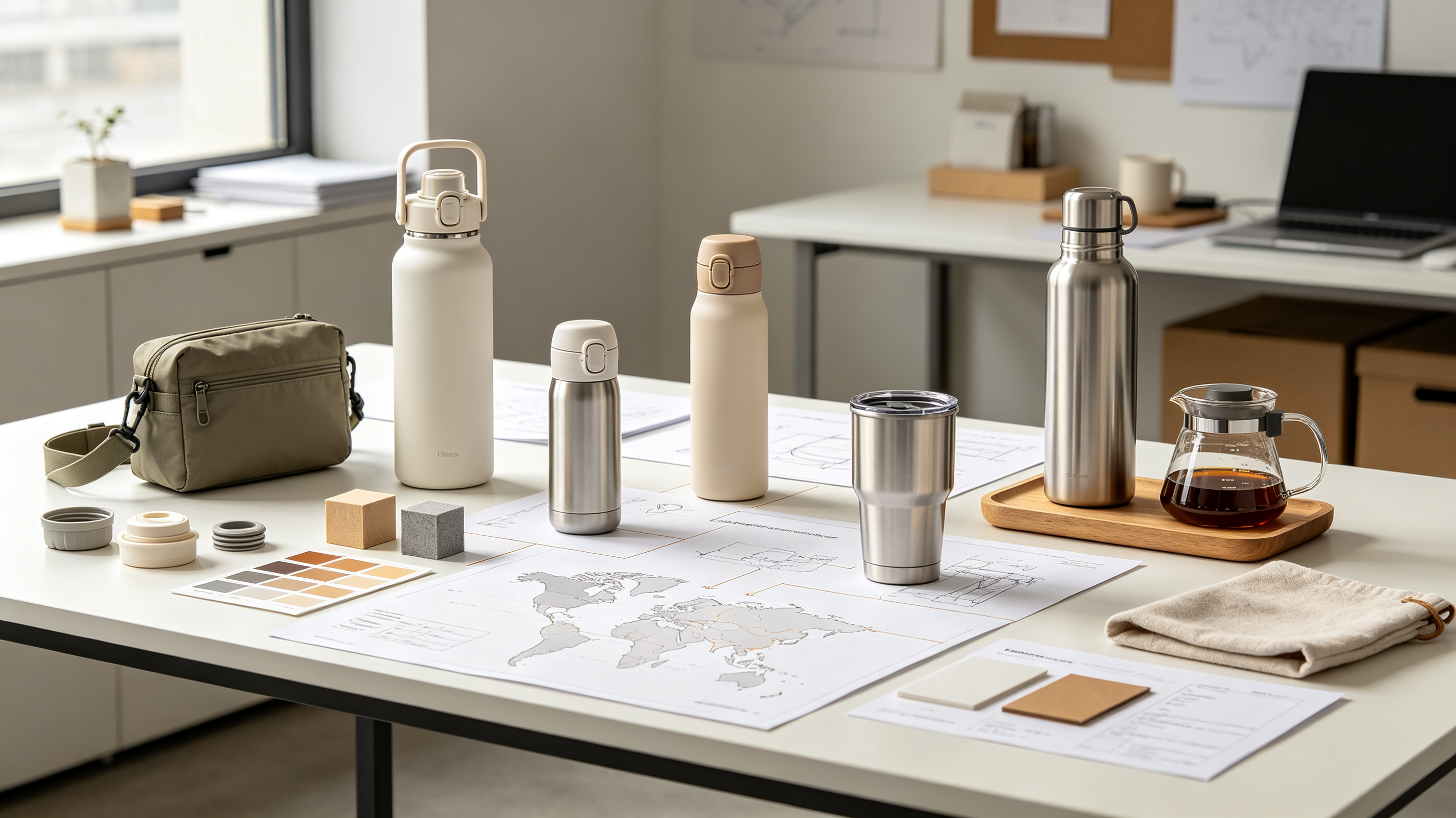
As brands expand across multiple markets, supply chain requirements are becoming more complex. Different regions may require different capacities, colors, packaging, product configurations, and order volumes, while changes in demand and international trade conditions can affect production planning.
This makes manufacturing flexibility increasingly relevant when selecting a supplier. Beyond production capacity, brands may need a partner that can support product development, customization, quality control, and adjustments in production according to market demand. A supplier with manufacturing operations in more than one location can also provide additional flexibility when brands need to manage regional demand or reduce reliance on a single production base.
Ansune's China and Malaysia Manufacturing Network
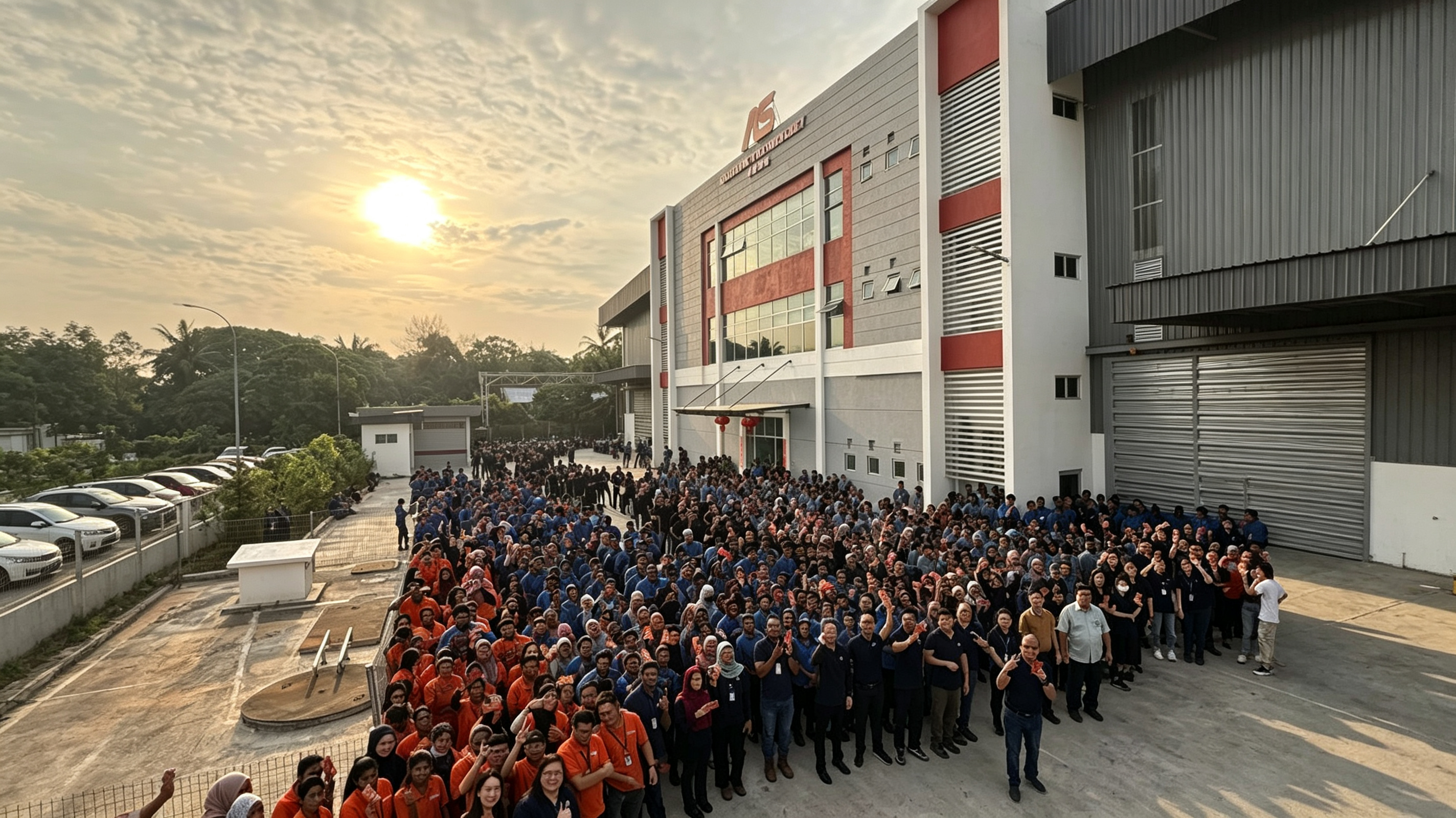
Ansune operates manufacturing bases in China and Malaysia, supporting a broader production and supply network for global drinkware customers. The Malaysia facility is Ansune's first overseas manufacturing base and serves as a Southeast Asia manufacturing hub. Located approximately 14 miles from Kuala Lumpur International Airport (KLIA) and 30 miles from Port Klang, our Malaysia facility is positioned for access to regional and international logistics routes. Ansune states that this location can help reduce logistics time by around 30%. The Malaysia operation has continued to expand its manufacturing capabilities, with a maximum planned annual capacity of 30 million units. Its production capabilities include forming, metalworking, welding, vacuumization, polishing, CMF, and assembly/packing.
For brands serving multiple regions, having production resources in both China and Malaysia can provide greater flexibility in capacity planning, product development, and international order fulfillment. Ansune's website also describes the two locations as dual manufacturing bases designed to support flexible capacity, shorter lead times, and global logistics.
Key Considerations for Brands
The opportunity in global insulated drinkware is not simply about selling the same product in more countries. Different markets create different requirements, from outdoor-oriented large-capacity products in North America to sustainability-driven product positioning in Europe and more localized everyday-use products across Asia Pacific and Latin America. For growing brands, this makes manufacturing capability part of the market strategy. A supplier that can combine product development, OEM/ODM customization, multi-location production, quality control, and international supply support can provide greater flexibility as products move from one market to several.
For Ansune, its manufacturing network in China and Malaysia is positioned to support this type of international development, giving brands more options when adapting and scaling stainless steel drinkware for different regional markets. Supply chain flexibility becomes particularly valuable when product specifications vary between markets or when order volumes change during the product lifecycle. A manufacturing partner with multiple production resources can give brands more options when planning capacity and responding to changing market requirements.